
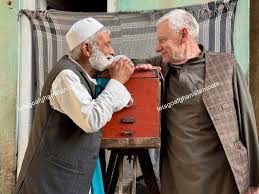
What Ramadan is and why it matters in Afghanistan
Ramadan is the holiest month in Islam, during which Muslims fast for about 30 days. The most significant event that happened during this month was the revelation of the Quran (the holy book of Muslims). Usually, during this month, religious practices increase, and there are significant changes in people’s daily lives. Afghanistan, a country with a 99.7% Muslim population, pays special attention to this month, and there are noticeable changes in the daily and social lives of Afghan people.
Ramadan 2026: Expected Dates
Ramadan in 2026 is expected to start on the 18th of February and continue until the 19th of March. This depends on local moon sighting and the announcements of the Taliban government. So, it is not always announced before Ramadan begins. During the first day of Ramadan in Afghanistan, it is officially a holiday, and all government offices and public places will be closed.
Daily Life During Ramadan
Muslims fast from dawn until sunset, and they do not eat or drink anything during this time frame. In Afghanistan, during the day—especially in the afternoon—streets are quiet, work hours are reduced, and most restaurants are either closed or not operational. After sunset, cities become active, with families, restaurants, and markets coming to life.
Suhoor: The Pre-Dawn Meal
Suhoor is the meal eaten before dawn, shortly before fasting begins. In Afghanistan, families usually wake up early to eat simple but filling foods such as bread, eggs, dairy products, and tea. Mosques and neighborhoods are quiet during this time, creating a calm and spiritual atmosphere.
Religious Practices
Ramadan is a time of increased worship. Muslims attend the five daily prayers and special night prayers called Taraweeh, held in mosques after the evening prayer. Charity is a major focus, including Zakat and food donations to the poor.
Food and Iftar Traditions
The fast is broken at sunset with Iftar. Dates and water are traditional, followed by Afghan dishes such as rice meals, soups, bolani, ashak, samosa, fruits, and sweets. Sharing food is common, especially among neighbors, and guests are often welcomed warmly.
Markets and Bazaars
Daytime market activity is limited, but in the early evenings people go out to either buy or serve items such as ice cream or sheer Yakh. The last days of Ramadan are especially lively and crowded as people prepare for Eid.
Social and Cultural Atmosphere
Ramadan strengthens family and community ties. People help neighbors and show patience and respect, but not everyone, as some people go through behavior changes. The overall atmosphere is calm, spiritual, and hospitable, making it a meaningful time for cultural observation.
Travel Tips for Tourists
Tourists should avoid eating, drinking, or smoking in public during fasting hours to avoid negative reactions from the public. Modest clothing is always recommended.
Eid al-Fitr (20th–22th March 2026)
Ramadan ends with Eid al-Fitr, a three-day celebration and holiday. During this time, all governmental offices will not be operational, including the Afghan Tour office that provides the necessary documents for tourists to travel around the country. However, the Let’s Go Afghanistan team can take care of that. Eid starts with a prayer held in the morning, followed by family visits, traditional meals, and gift-giving for children known as Eidiee. For tourists, Eid offers insight into Afghan joy and cultural unity.
Practical Advice
Photography should be done respectfully, and permission should be requested, especially around mosques and people. Clothing should also be modest, and the use of cosmetic materials should be limited.
Conclusion
Ramadan 2026 offers tourists a structured, spiritual, and culturally rich experience in Afghanistan. Ramadan in Afghanistan is more than just fasting; it’s a time that deeply changes daily life and brings people together. During this holy month, from the quiet mornings to the lively family meals at sunset, Afghan culture shows its strong sense of community, faith, and hospitality. It is a spiritual period that ends with the happy celebration of Eid al-Fitr. For tourists, it’s a chance to see this unique culture, but it’s important to be respectful of local customs. Overall, Ramadan is a special and important part of life in Afghanistan, strengthening traditions and shared identity. With awareness and respect, visitors can gain a deeper understanding of Afghan life beyond sightseeing.
Let’s Go Afghanistan Team